Business License

Differences between eARC and ARC
HDMI cable is one of the most popular consumer solutions for connecting video and audio sources to compatible displays and sound systems. HDMI is one of the most popular digital interfaces for transmitting high-definition audio and video signals over a single cable. Because it supports Audio Return Channel (ARC) technology, it can connect multiple high-definition sources (such as streaming devices, audio, game consoles, etc.) outputs to the input of high-definition displays, simplifying the operation of connecting external audio and video systems to TVs and devices such as game consoles, Blu-ray players, desktop computers, etc., allowing you to listen to TV audio without using additional cables. With the advent of eARC technology, this useful tool has gained more features and capabilities. eARC can do something that ARC can’t do, but this requires that the hardware must be upgraded to the latest HDMI standard. If your hardware can’t take advantage of it, then you can’t experience the new features of eARC, so if you want to experience the latest eARC, an excellent cable is necessary.
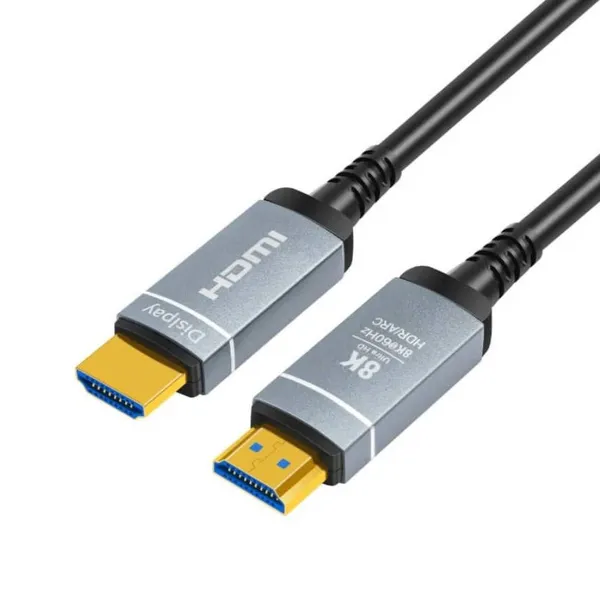
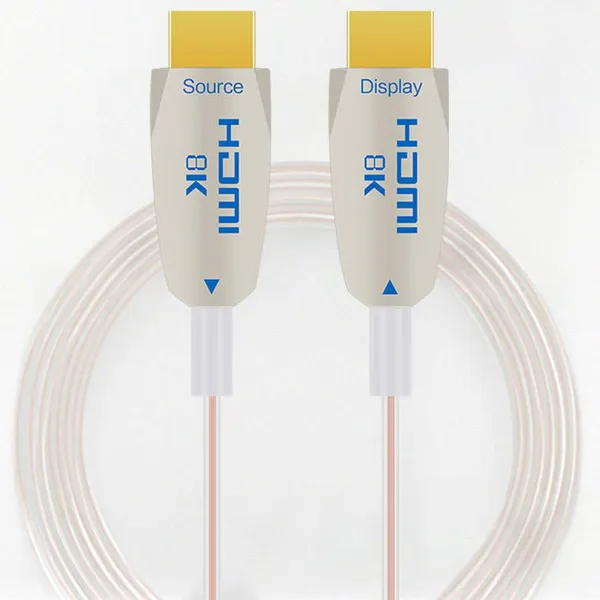
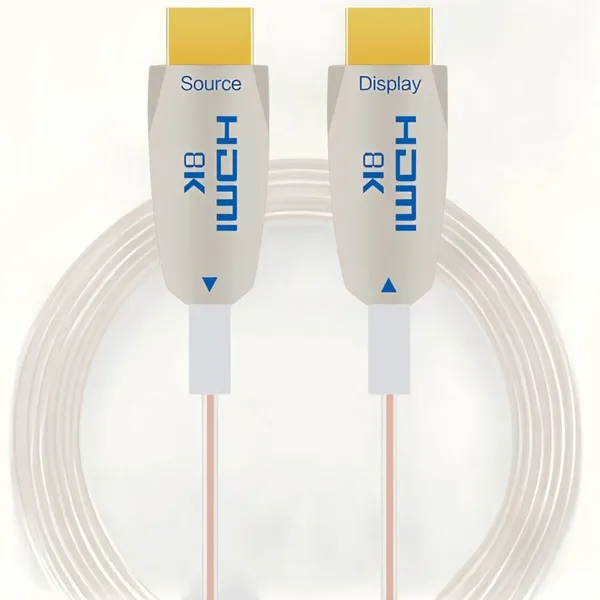
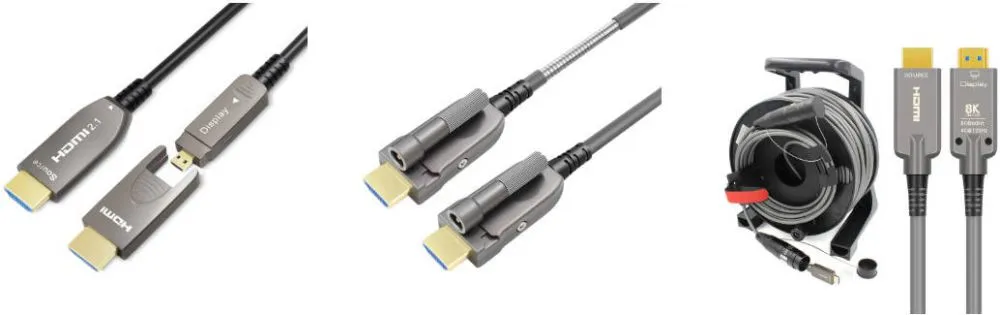
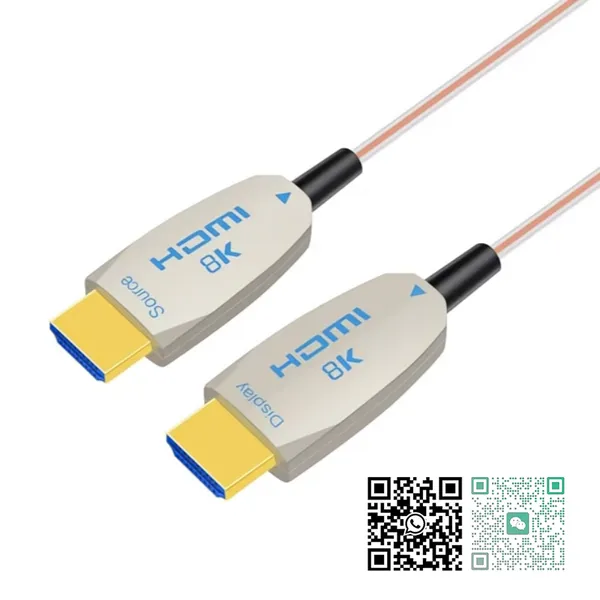
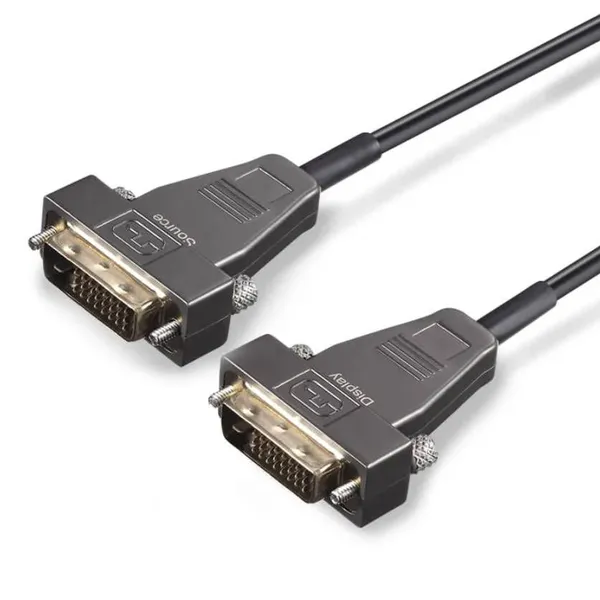
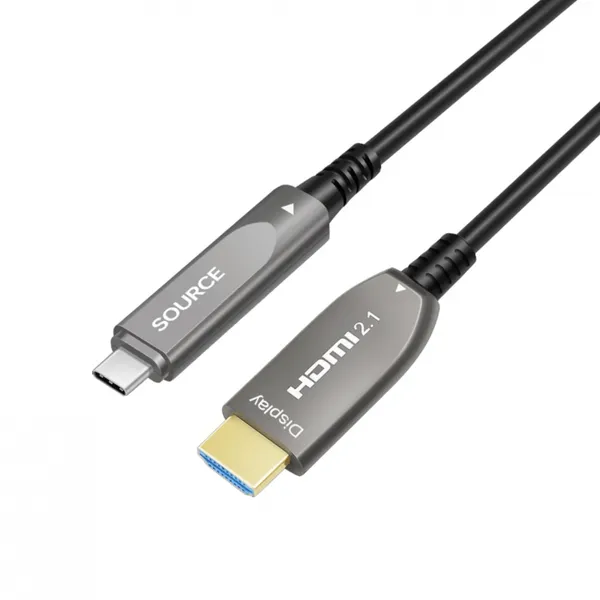
Here are some Fiber Optical HDMI Cables we recommend for three scenarios: multiple interface requirements require wall penetration, complex environments that require pressure and pulling resistance, and complex outdoor environments such as AV rentals and staging that require super protection over long distances for your reference:
Of course, if you’re still unsure of your needs or want to learn more, to help you decide which generation of ARC technology is best for you, we’ll take a brief look at HDMI and walk you through the basics of HDMI ARC and HDMI eARC, two audio-focused technologies that simplify the process of connecting your TV to compatible home theater speakers by reducing the number of cables required.
What is HDMI?
To understand what HDMI is and what it does, we can simply break down the acronym:
High Definition (HD): The latest TVs support amazingly clear picture and sound quality. But higher quality means a huge amount of data. Not all cables or connections can transmit all that data at the speed or bandwidth for optimal performance. HDMI was created to solve this problem, and newer versions continue to increase the bandwidth to keep up with the ever-increasing levels of video and audio quality.
Multimedia (M): When we say “multimedia,” it means that HDMI can support many types of media. HDMI supports uncompressed video and multi-channel audio; that’s why we call it a multimedia interface.
Interface (I): An interface is essentially a connection between two devices. It’s where those devices communicate and share data back and forth. Here, HDMI acts as an interface between input devices (the source of your entertainment) and output devices (the devices that play or display your entertainment).
What is HDMI ARC?
ARC is short for Audio Return Channel. This feature was introduced about 10 years ago. Its name helps us understand its meaning and purpose, the most important point is the word “return”. The ARC feature enables the HDMI cable to act as both an audio output and an audio input, thus enabling two-way communication between all devices connected via a single HDMI cable. It sends video signals to the TV and audio signals from the TV to the bar, speaker system or AV receiver.
This means that not only can your TV send audio to your audio device, but your audio device can also feed audio back to the TV. This feature is particularly useful for smart TVs or devices with built-in tuners, as the audio from these devices can be routed to your surround sound system or sound bar. HDMI Audio Return Channel (HDMI ARC) is a technology introduced in the HDMI 1.4 version. It is designed to make HDMI a powerful replacement for existing audio cable connections between TVs and external AV receivers or speaker systems. HDMI ARC has a much larger bandwidth than older audio cable solutions such as optical, so it can transmit all the audio and video required for streaming services and physical media. This reduces the number of cables required in your AV setup.
 At the same time, HDMI ARC allows information to be transmitted in both directions, so in addition to using an HDMI cable to transmit audio from the TV to the AV system, you can also simplify the cables by routing all the devices connected to the AV setup (if it has enough HDMI connections). You can connect a game console or Blu-ray player to the sound bar or audio system with an HDMI cable, and then use another HDMI cable to connect to the TV. This saves extra wiring, creating a simpler, neater setup, while still enjoying the audio through the audio setup and the picture through the TV.
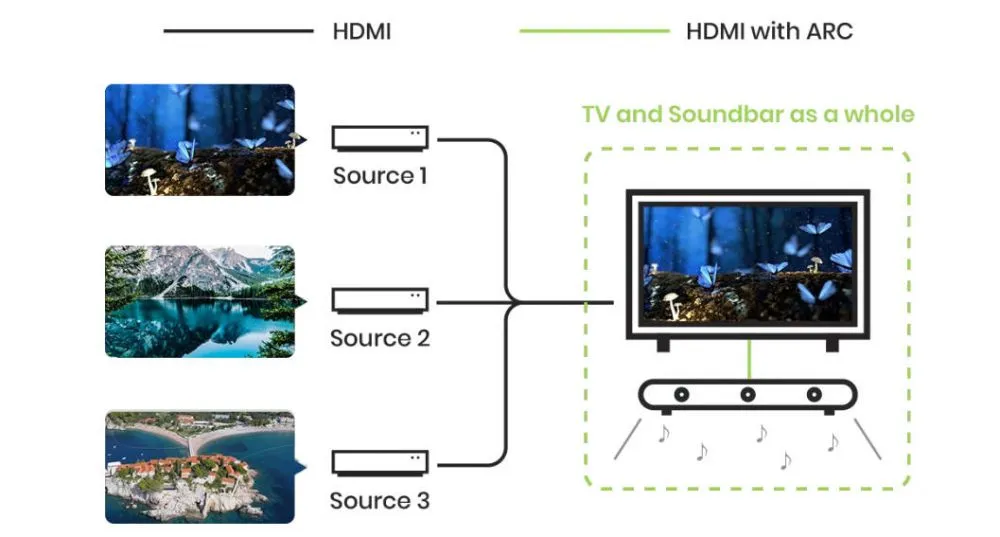
In addition to this, HDMI ARC also introduces support for Dolby Atmos, which allows for vertical placement of sounds in a surround sound setup, although this can only be achieved with the lossy Dolby Digital Plus codec.
When it comes to enjoying the best audio experience, HDMI ARC plays a key role in supporting a wide range of audio formats. Here are the most common formats supported by HDMI ARC to help you enhance your audio experience:
Dolby Digital: HDMI ARC supports Dolby Digital, a widely used format that provides high-quality multi-channel audio for TV shows, movies, and games. This format can bring excellent surround sound effects to your home theater experience.
Dolby TrueHD: As a lossless audio format, Dolby TrueHD provides high-resolution audio that matches the quality of the original studio recordings. HDMI ARC supports this format, enhancing your audio experience and making the sound more realistic and close.
DTS: Another popular format supported by HDMI ARC is DTS, which stands for Digital Theater System. It provides multi-channel audio for movies, music, games, and other sources, making it a great choice for a variety of content.
DTS-HD: If you prefer to enjoy high-resolution audio, DTS-HD is a good choice. HDMI ARC supports this lossless audio format, providing you with high-quality sound and a more immersive audio experience.
DTS-HD Master Audio: As the best version of DTS, DTS-HD Master Audio is also supported by HDMI ARC. It brings the highest quality audio to your home theater, providing an unparalleled listening experience.
ARC is excellent, but there is also a big problem:
Technically, the TV cannot send 5.1 audio through HDMI. In other words, if you are watching a Blu-ray movie with 5.1 Dolby Digital or DTS, and it is connected directly to the TV, your receiver may only get 2.0 audio. TVs that can do this are called “5.1 pass-through”. This limitation led to the birth of eARC, which allows external speakers to play 5.1 channels and Dolby Atmos at the same time.
What is HDMI eARC?
HDMI eARC stands for HDMI “Enhanced Audio Return Channel”. It is an enhanced version of ARC technology. The eARC standard was introduced in the latest version of HDMI (HDMI 2.1) and is a unique feature of HDMI2.1 and compatible devices. It works similarly to HDMI ARC, but with greatly improved bandwidth and speed. It uses the extra bandwidth of HDMI2.1 cables to support higher quality uncompressed 5.1 and 7.1 surround sound audio, as well as enhanced surround sound technologies such as Dolby Atmos and Dolby TrueHD versions of DTS:X. While most Dolby Atmos audio can be played over HDMI ARC, you need HDMI eARC to play lossless Dolby Atmos audio through the Dolby TrueHD codec.
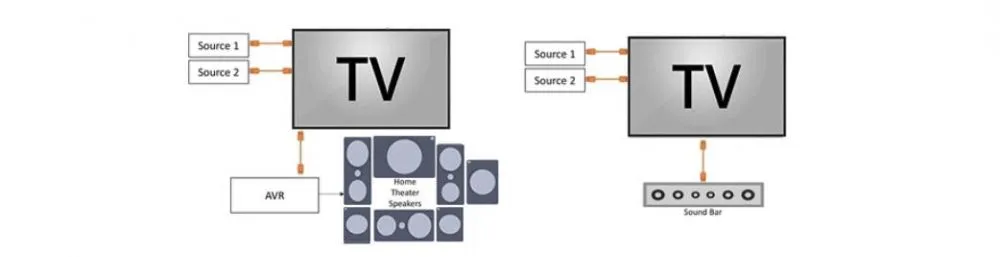
Audio Return Channel allows only digital audio data to be transmitted over an HDMI cable. In this sense, an HDMI cable can send video and audio information back and forth between a TV and a soundbar or amplifier/AV receiver.
The main benefit of eARC is a massive increase in bandwidth and speed. This allows you to send higher-quality audio from your TV to your soundbar or AV receiver.
eARC can transmit up to 32 channels of audio, including an eight-channel, 24-bit/192KHz uncompressed data stream at speeds of up to 38Mbps.
This means that all the high-bitrate formats currently available on Blu-ray Disc, 4K Blu-ray, and some streaming services – Dolby TrueHD, DTS-HD Master Audio, and object-based formats such as Dolby Atmos and DTS:X – will be compatible.
Difference Between HDMI ARC and eARC
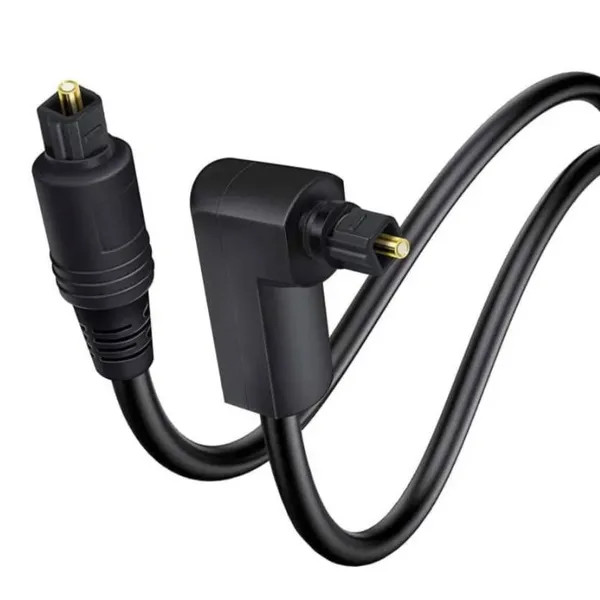
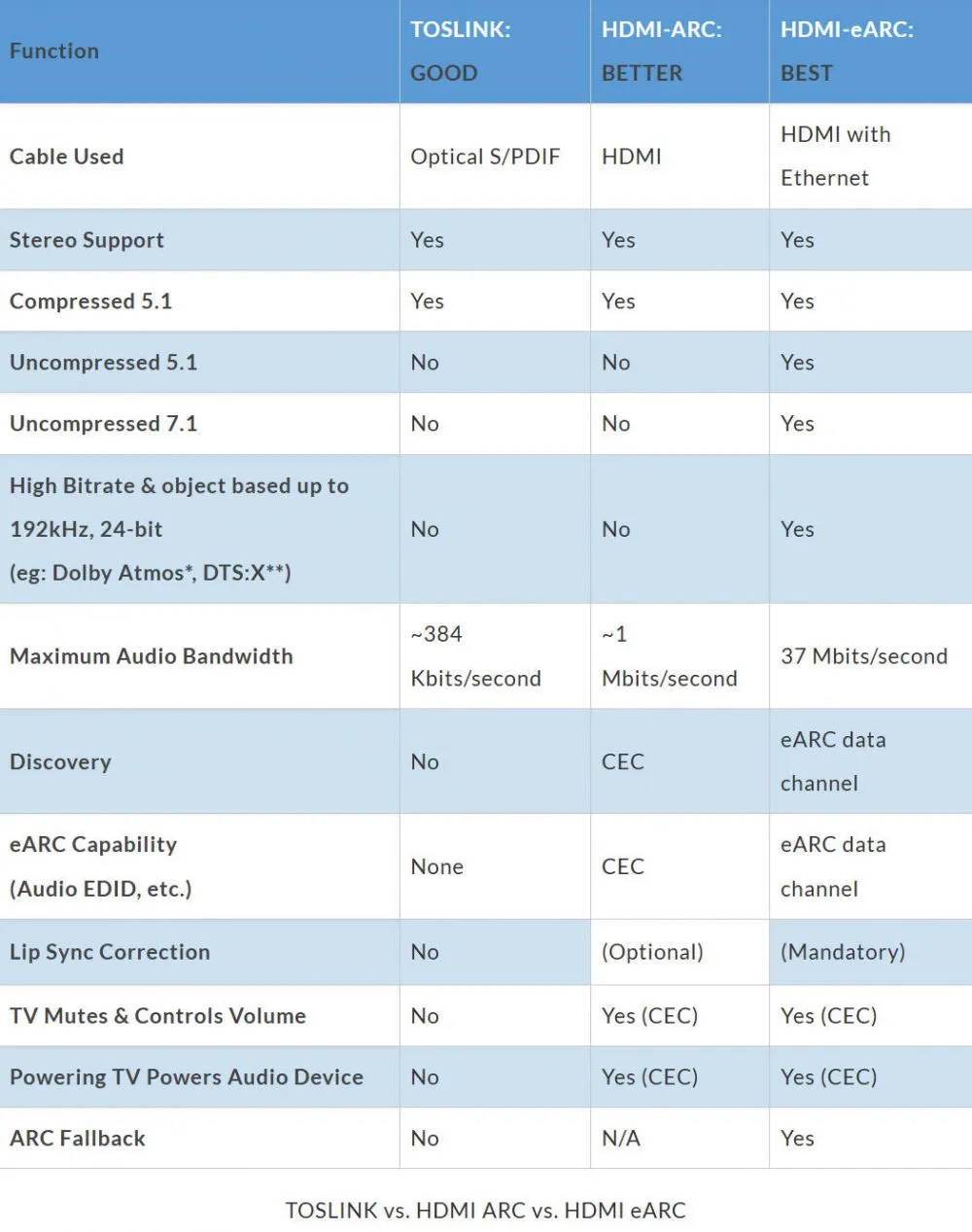
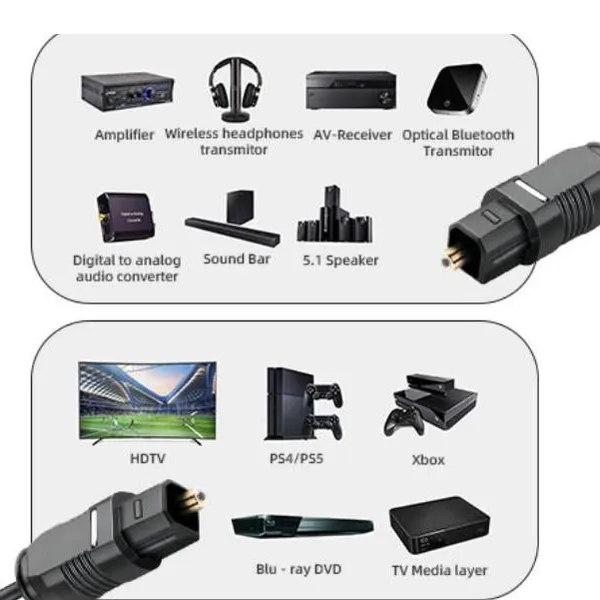
Overall, HDMI ARC and HDMI eARC differ in several key features. Below are the specific differences between them and Toslink:
About Us
At AOCFiberlink, we specialize in manufacturing high-quality fiber optical USB cables & fiber optical HDMI cables that cater to the demands of modern audiovisual systems. Our fiber optical USB & HDMI cables are designed to deliver uncompromising performance, ensuring that you enjoy the true potential of your high-definition devices.
Besides the standard fiber optic HDMI Cables & fiber optical USB Cables, we also provide tailor-made solutions for customer specific needs.
Please don’t hesitate to contact us.
Recently Posted
-
Fiber Optic HDMI: Market Outlook and Size Analysis
June 29, 2026The global HDMI fiber optic cable market was valued at $1.82 billion in 2025 and is projected to reach $4.67 billion by 2034. HDMI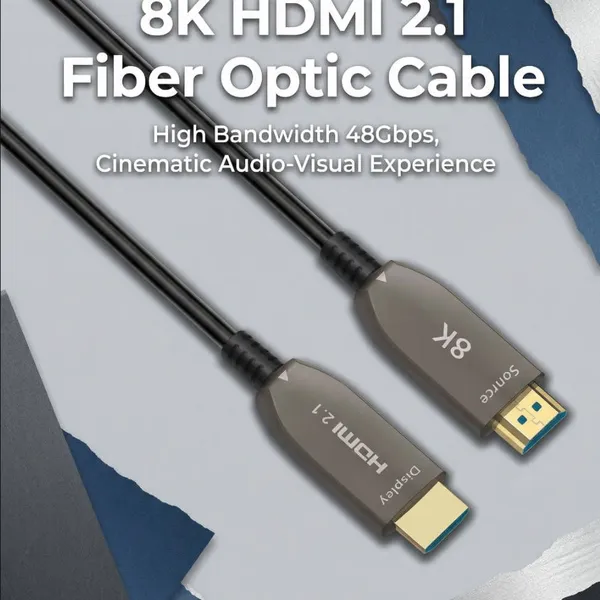 Read More
 -
DP Alt Mode: What is USB-C DisplayPort?
May 9, 2026In today's era that values versatility and convenience, the USB-C interface stands out as a universal connector, enabling seamless connection between laptops and monitors with a single cable for high-resolution video, clear audio, data transfer, and charging, while minimizing cable clutter. DP Alt mode, or DisplayPort Alternate Mode, allows the USB-C interface to transmit DisplayPort (DP) video and audio signals, while siRead More -
HDMI Cord for Samsung TV: How to Choose the Right Cable for Your Setup
April 18, 2026Wondering which HDMI cable your Samsung TV actually needs? You're not alone—it's one of the first questions that comes up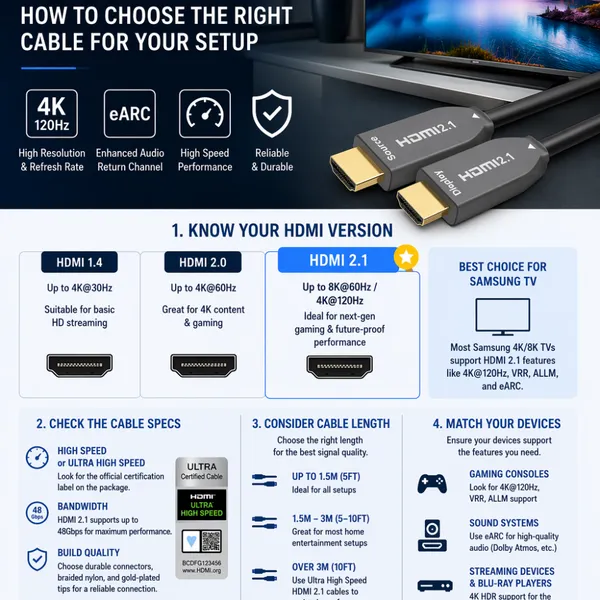 Read More
 -
why USB-C Is Replacing Traditional AV Cabling in Modern Meeting Rooms
April 4, 2026Walk into almost any older conference room and you’ll see the same thing, a pile of cables sitting in the middle of the table.With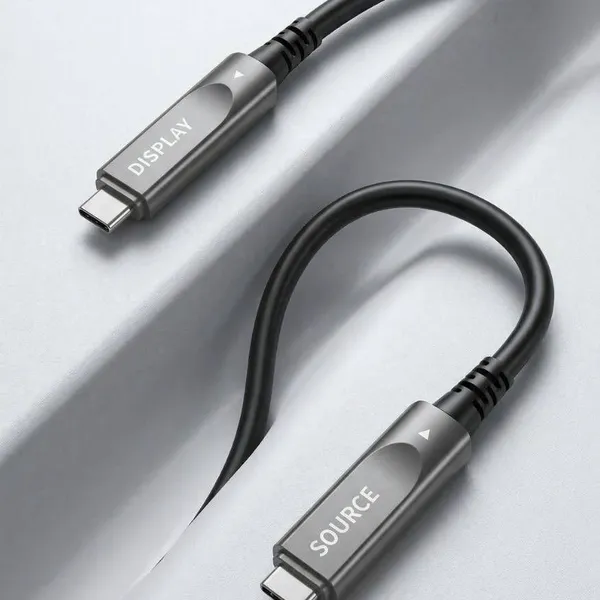 Read More

Contact Us
Recommended Products
-
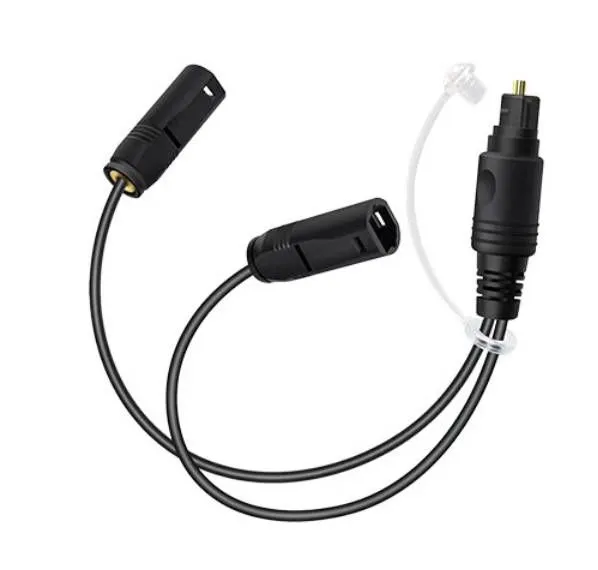
 Customized 1 to 2 Passive Optical Toslink Splitter Cable Male to FemaleNegotiableMOQ: 10 Pieces
 -
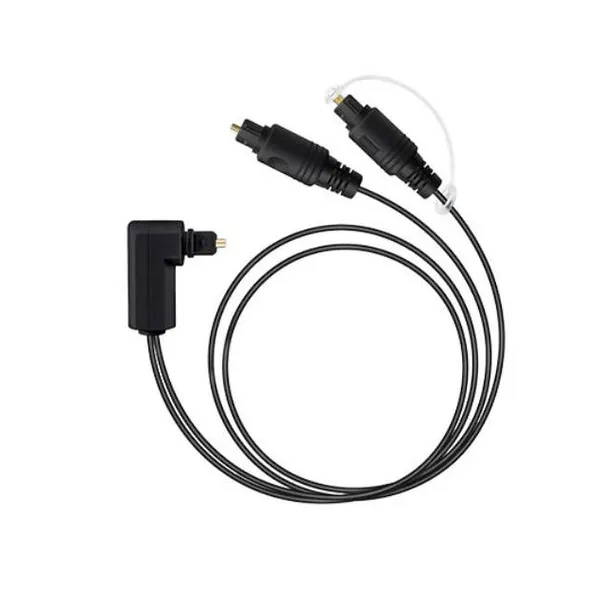
Right Angled 1 to 2 Passive Optical Toslink Splitter Cable Male to MaleNegotiableMOQ: 1 Piece
-
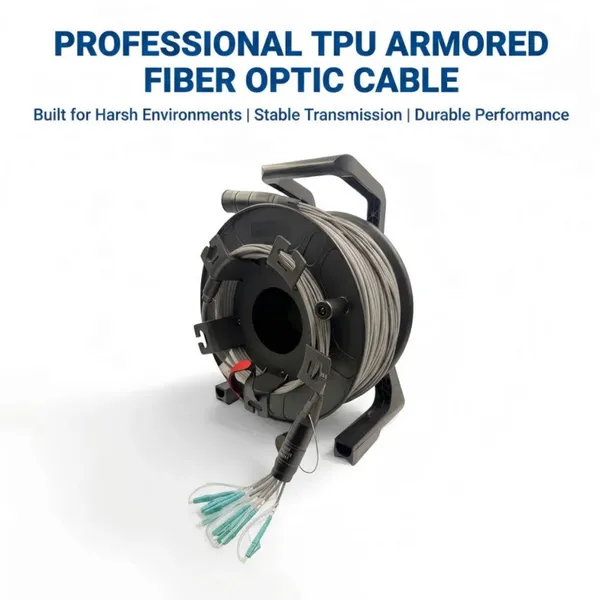
8-Core Grey TPU OM3 Armored Fiber Optic CableNegotiableMOQ: 1 Piece
-
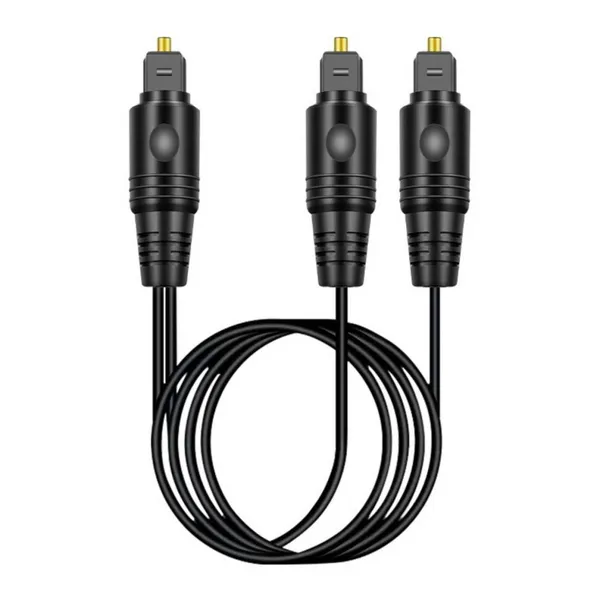
Bi-Directional 1-in-2-out Passive TOSLINK Optical Audio Splitter Cable-Male to MaleNegotiableMOQ: 10 Pieces
-
Fiber Optic USB C Active Optical Cable-USB3.2 AOC OEM FactoryNegotiableMOQ: 1 Piece

-
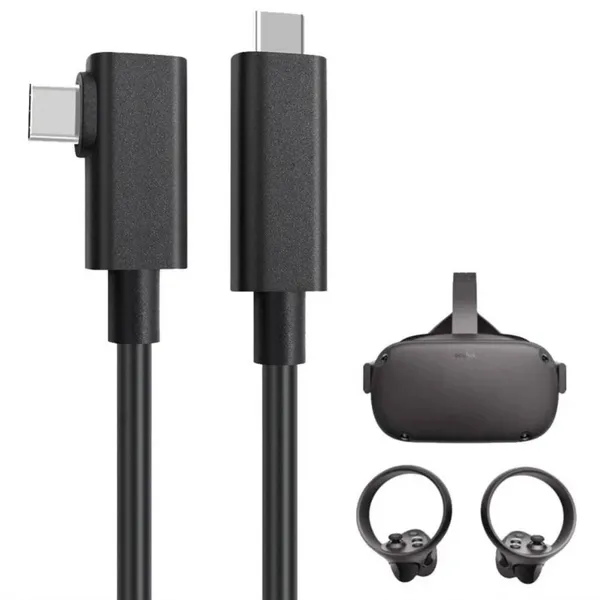
5m Meta Quest 2 Link Cable Factory Wholesale SupplierNegotiableMOQ: 1 Piece
-
Armored 8K Fiber Optic HDMI 2.1 Active Optical Cable on Roxtone PCD 310 DrumNegotiableMOQ: 1 Piece
-
كابل بصري نشط USB-C بطول 10 أمتار، يدعم فيديو بدقة 8K ونقل بيانات بسرعة 10 جيجابت/ثانية، مزود بتقنية الشحن السريع PD70WNegotiableMOQ: 1 Piece
-
Fiber Optic USB 3.1 AOC-Active Optical Cable,Gen-2,10Gbps,AM to AFNegotiableMOQ: 1 Piece
-
Fiber Optic Type-c Active Optical 40GbpsNegotiableMOQ: 1 Piece
-
OEM Factory Wholesale 8K HDMI2.1 Fiber Optical Cable 48Gbps AM to AM for RTX3090, PS5, Xbox Series X, Roku/Fire/Sony/LG CX TVNegotiableMOQ: 1 Piece
-
DVI Fiber Active Optical Cable-AOC 10.2Gbps 4K@30HzNegotiableMOQ: 1 Piece
-
كابل ألياف ضوئية USB-C يدعم فيديو بدقة 8K بسرعة 10 جيجابت في الثانيةNegotiableMOQ: 1 Piece
-
USB-C to HDMI Fiber Active Optical Cable-AOC-4K/60Hz-15mNegotiableMOQ: 1 Piece
-
Super Slim Digital Toslink Optical Audio CableNegotiableMOQ: 10 Pieces
-
8K HDMI2.1 Fiber Optic Cable 4K/144HzNegotiableMOQ: 10 Pieces
-
كابل الألياف الضوئية النشطة HDMI2.1 فائق النحافة 8KNegotiableMOQ: 10 Pieces
-
4Fiber LC Tactical Armored Fiber Optic Cable ReelNegotiableMOQ: 10 Pieces
-
Ультратонкий активный оптический кабель HDMI 2.1 8K AM-AM-AM-48 Гбит/с-5 мNegotiableMOQ: 10 Pieces
-
Angled Digital Toslink Optical Audio Cable,Gold-Plated,4mm Black PVCNegotiableMOQ: 10 Pieces