Business License

China GPMI Cable Explained: difference between GPMI & USB-C ?
About China GPMI
China GPMI (General Purpose Media Interface) is a new, all-in-one connectivity standard emerging from the Shenzhen 8K UHD Video Industry Collaboration Alliance (SUCA). Backed by a consortium of more than 50 Chinese tech firms including Huawei,ZTE,HiSilicon,CESI,Skyworth,Konka,TCL CSOT and more, GPMI was unveiled in April 2025 in Shenzhen. Its goal is to streamline AV setups by delivering ultra-high-definition video, high-fidelity audio, data, control signals, and power through a single cable.
 what is China GPMI
GPMI
GPMI, or Global Performance Media Interface, is an emerging high-speed transmission standard. Unlike USB-C, which is tightly tied to consumer devices, GPMI is designed with scalability and cross-industry performance in mind.
Features of GPMI
Unlike existing standards that often specialize in video (like HDMI/DisplayPort) or data (like USB), GPMI aims to be a true “one-cable” solution, integrating:
High-Bandwidth Video and Audio: Supporting ultra-high resolutions and refresh rates.
Data Transmission: For various peripherals and devices.
Network Connectivity: Built-in Ethernet capabilities.
High-Power Delivery: Significantly reducing the need for separate power adapters.
Think of it as the ultimate convergence of connectivity into a single, highly versatile port.

About USB-C
What is USB-C ? USB-C is a physical connector standard that supports the latest versions of USB (such as USB 3.2 for 10Gbps, USB4 for 40Gbps, and Thunderbolt 4 for 40Gbps).
Reversible design: Easy plug-in without worrying about orientation.
Widespread adoption: Found in laptops, smartphones, chargers, monitors, and external storage.
Performance range: Depending on the protocol, supports up to 40Gbps (Thunderbolt 4/USB4).
Power delivery (PD): Can deliver up to 240W, making it capable of charging high-performance laptops and devices.
USB-C is currently the most universal connector of choice for consumer electronics, with strong backing from the European Union’s regulations mandating USB-C charging ports for mobile devices.

GPMI vs. USB-C: What’s the Difference and Which One Matters for the Future?
When it comes to high-speed data transfer and versatile connectivity, two terms are making waves in the technology world: GPMI (Global Performance Media Interface) and USB-C. While USB-C has already become a household name in laptops, smartphones, and peripherals, GPMI is a newer, performance-driven interface standard with ambitions that go beyond consumer electronics.
Follow us, we’ll explore the key differences between GPMI and USB-C, their applications, strengths, and what they mean for the future of connectivity.
GPMI vs. USB-C: Side-by-Side Comparison
| Features | GPMI | USB-C |
|---|---|---|
| Type | Protocol/architecture for high-performance connectivity | Connector + protocol for consumer devices |
| Max Bandwidth | It depends. GPMI Type-B: 192Gbps GPMI Type-C: 96Gbps | Up to 40Gbps as of October, 2025 (USB4/Thunderbolt 4) |
| Power Delivery | It depends. GPMI Type-B: 480Watts GPMI Type-C: 240Watts | Up to 240W (USB-PD 3.1) |
| Ecosystem Maturity | Emerging, limited adoption | Very mature, global adoption |
| Primary Applications | TV, laptops, smartphones, chargers, monitors, peripherals, external storage, and more | TV, laptops, smartphones, chargers, monitors, peripherals, external storage, and more |
| Connector Form | GPMI Type-B & Type-C | Fixed reversible USB-C plug |


Key Similarities
-High-speed transmission: Both aim to deliver ultra-fast connectivity for modern workloads.
-Versatility: Support multiple functions (data, power, media).
-Future-proofing: Both are designed with scalability and evolving applications in mind.
Key Differences
-Scope: USB-C is consumer-focused; GPMI aims bigger, may include enterprise- and performance-focused.
-Connector standardization: USB-C is unified and universal; GPMI is modular and adaptable.
-Adoption: USB-C is already universal, while GPMI is still in the adoption and ecosystem-building stage.
 GPMI vs USBC differences
Which One Matters for the Future?
-Short term (2025-2030): USB-C will dominate consumer electronics thanks to regulations and wide adoption.
-Long term: GPMI could play a crucial role in highLy integrated applications powering next-generation AI computing, immersive media, and high-bandwidth industrial applications.
Think of it this way: USB-C is the connector you already use every day, while GPMI is the backbone of tomorrow’s high-performance digital infrastructure.
 China GPMI Cable may be the future
Final Thoughts
Both GPMI and USB-C represent important milestones in the evolution of connectivity. If you’re a consumer, USB-C is here to stay. If you’re in the B2B, industrial, or AV sector, keep an eye on GPMI—it could reshape the future of data transfer and system integration in the future. But how fast will it comes ? It still get a long way to go. Let’s watch and see.
About Us
At AOCFiberlink, we specialize in high-performance AV and data transmission products including fiber optic HDMI, DisplayPort, USB4, and USB-C active cables for global OEM/ODM markets. With a deep understanding of emerging interface trends like GPMI, we help our clients stay ahead of the curve.
Recently Posted
-
Fiber Optic HDMI: Market Outlook and Size Analysis
June 29, 2026The global HDMI fiber optic cable market was valued at $1.82 billion in 2025 and is projected to reach $4.67 billion by 2034. HDMI Read More
 -
DP Alt Mode: What is USB-C DisplayPort?
May 9, 2026In today's era that values versatility and convenience, the USB-C interface stands out as a universal connector, enabling seamless connection between laptops and monitors with a single cable for high-resolution video, clear audio, data transfer, and charging, while minimizing cable clutter. DP Alt mode, or DisplayPort Alternate Mode, allows the USB-C interface to transmit DisplayPort (DP) video and audio signals, while siRead More -
HDMI Cord for Samsung TV: How to Choose the Right Cable for Your Setup
April 18, 2026Wondering which HDMI cable your Samsung TV actually needs? You're not alone—it's one of the first questions that comes up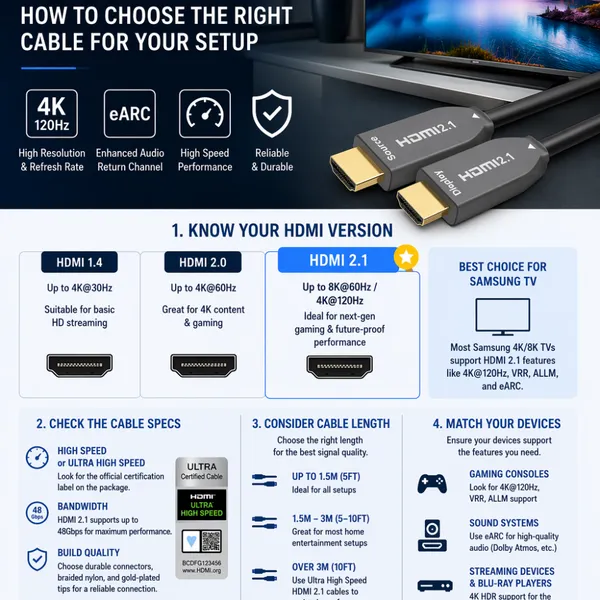 Read More
 -
why USB-C Is Replacing Traditional AV Cabling in Modern Meeting Rooms
April 4, 2026Walk into almost any older conference room and you’ll see the same thing, a pile of cables sitting in the middle of the table.With Read More

Contact Us
Recommended Products
-
 Customized 1 to 2 Passive Optical Toslink Splitter Cable Male to FemaleNegotiableMOQ: 10 Pieces
 -
Right Angled 1 to 2 Passive Optical Toslink Splitter Cable Male to MaleNegotiableMOQ: 1 Piece
-
8-Core Grey TPU OM3 Armored Fiber Optic CableNegotiableMOQ: 1 Piece
-
Bi-Directional 1-in-2-out Passive TOSLINK Optical Audio Splitter Cable-Male to MaleNegotiableMOQ: 10 Pieces
-
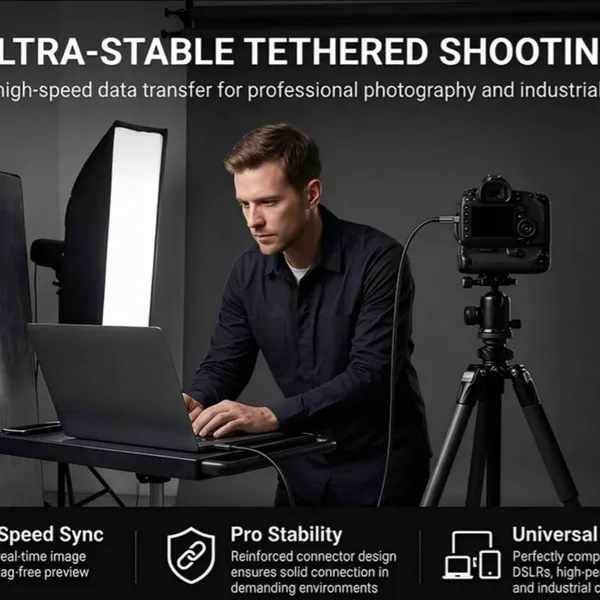
Fiber Optic USB C Active Optical Cable-USB3.2 AOC OEM FactoryNegotiableMOQ: 1 Piece
-
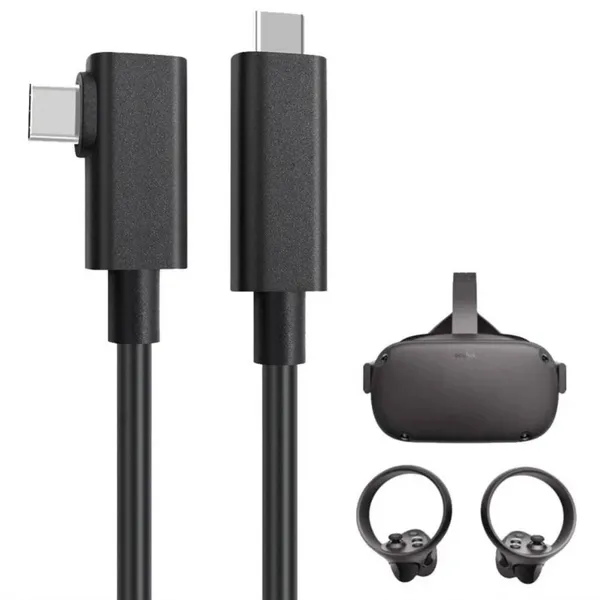
5m Meta Quest 2 Link Cable Factory Wholesale SupplierNegotiableMOQ: 1 Piece
-
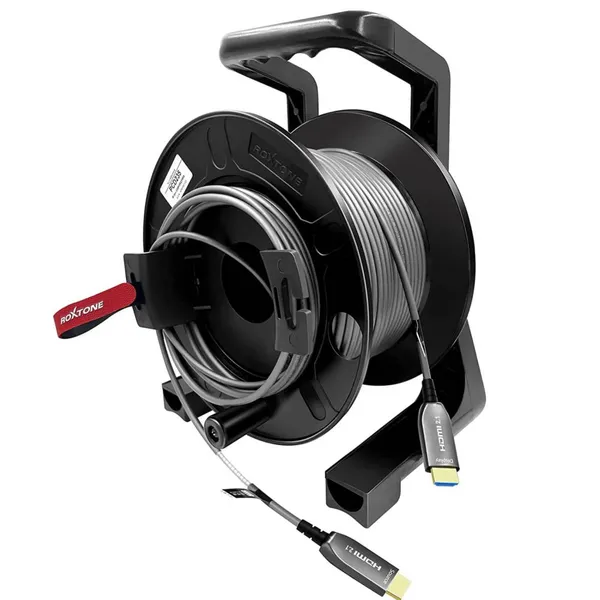
Armored 8K Fiber Optic HDMI 2.1 Active Optical Cable on Roxtone PCD 310 DrumNegotiableMOQ: 1 Piece
-
كابل بصري نشط USB-C بطول 10 أمتار، يدعم فيديو بدقة 8K ونقل بيانات بسرعة 10 جيجابت/ثانية، مزود بتقنية الشحن السريع PD70WNegotiableMOQ: 1 Piece
-
Fiber Optic USB 3.1 AOC-Active Optical Cable,Gen-2,10Gbps,AM to AFNegotiableMOQ: 1 Piece
-
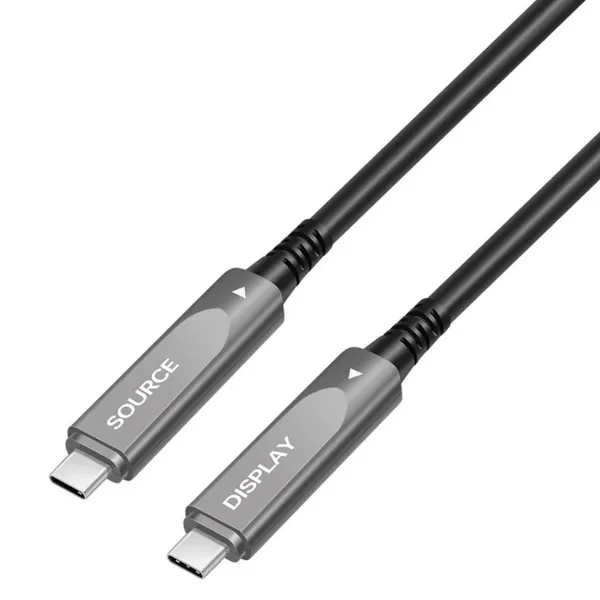
Fiber Optic Type-c Active Optical 40GbpsNegotiableMOQ: 1 Piece
-
OEM Factory Wholesale 8K HDMI2.1 Fiber Optical Cable 48Gbps AM to AM for RTX3090, PS5, Xbox Series X, Roku/Fire/Sony/LG CX TVNegotiableMOQ: 1 Piece
-
DVI Fiber Active Optical Cable-AOC 10.2Gbps 4K@30HzNegotiableMOQ: 1 Piece
-
كابل ألياف ضوئية USB-C يدعم فيديو بدقة 8K بسرعة 10 جيجابت في الثانيةNegotiableMOQ: 1 Piece
-
USB-C to HDMI Fiber Active Optical Cable-AOC-4K/60Hz-15mNegotiableMOQ: 1 Piece
-
Super Slim Digital Toslink Optical Audio CableNegotiableMOQ: 10 Pieces
-
8K HDMI2.1 Fiber Optic Cable 4K/144HzNegotiableMOQ: 10 Pieces
-
كابل الألياف الضوئية النشطة HDMI2.1 فائق النحافة 8KNegotiableMOQ: 10 Pieces
-
4Fiber LC Tactical Armored Fiber Optic Cable ReelNegotiableMOQ: 10 Pieces
-
Ультратонкий активный оптический кабель HDMI 2.1 8K AM-AM-AM-48 Гбит/с-5 мNegotiableMOQ: 10 Pieces
-
Angled Digital Toslink Optical Audio Cable,Gold-Plated,4mm Black PVCNegotiableMOQ: 10 Pieces